In the post I’m going to explore both the legal and ethical responsibilities of the creative media sector.
Intellectual Property rights.
This term means is someone has created something that on-one has created, but not the idea it has to have been physically made or produced, this is covered by the following laws.
Copyright.
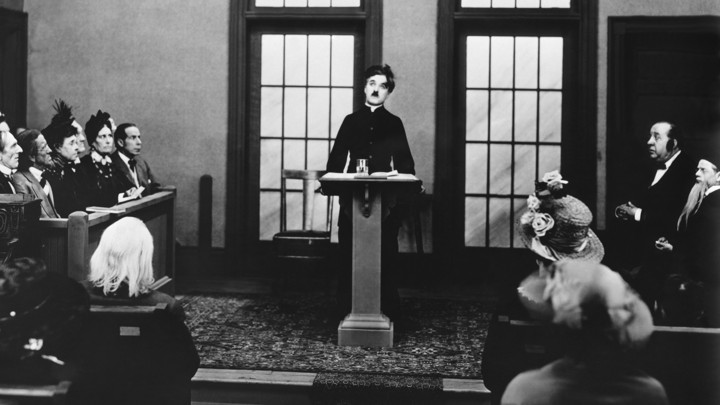
This mean the holder of the copyright have the right to make copies, licence out for other use (museum’s magazines or clothing) this cover printed, audio and video this law came into effect on the 1stJanuary 1978 and cover the creator for his/her lifetime and 70 after death. An example of this is on 1stJanuary 2019 thousands of copyrighted materials in America entered the public domain including Charlie Chaplin’s The Pilgrim pictured below for the first time.
Design rights.
In the UK there are two different types of design rights unregistered design right and design registration. Unregistered design rights are only design to three dimensional designs. The basis of any design right are the design must be your own, mustn’t be offensive, cannot utilise flags and emblems (the Olympic rings as an example) and it cannot be an inventions (this would be covered by patents) a design right can be protected for up to 25 years.
Appearance of a product including, shape, packaging, patterns, colours, decoration
Moral and paternal rights
This is in regard to the right of attribution, the right to have a work published. In Europe it’s not for authors to assign or even waive these rights, this is in European copyright itself and cannot be sold only licensed.
Trademarks
This covers product names, products and logos and even jingles, so it covers a recognisable design or logo like a badge or origin it distinguishes one company from another. For example, Nike is a trademark name and cannot be used by another company but Google which is a trademark name but also a verb as people use the term “google it”.
Patents This covers inventions either a product or process that is a new way of doing something and you have the legal right to exclude others from making, using or selling. An infringement happens when a third party without prior authorisation makes or sells the invention without the inventors or patents owners’ consent.
Privacy and the data protection act.
Called the Privacy and Electronic communications regulations (PECR) and sits next to the Data protection act with specific rules on marketing (calls, emails and texts) website cookies, keeping services secure and customer privacy.
The Data Protection act covers people and how their data is used. This doesn’t stop companies storing this information and it have to follow set rules in order to do so, if a company fails to adhere to this, fines can be placed on the company (see below)
Libel.
This mean a false statement about a person’s reputation or character, also called slander a verbal attack of character these can be made in Writing, printed, or published. The costs of bringing a libel case to court can spiral and its usually its celebrities that pursue this.
Equality act 2010.
This legally protects people from discrimination both are work and in society. There are nine protected characteristics under this act they are: Age, Disability, Gender reassignment, Race, Religon or belief, Sex, Sexual orientation, Marriage/Civil partnership and Pregnancy and Maternity.
Obscene Publications Act.
This is a law relating to the publication of obscene material and to provide the protection of literature. The Act was updated in January 2019 replacing this list is now a series of tests, now instead of listing forbidden acts the test now states that possessing, producing or distributing pornographic material is unlikely to be prosecuted as obscene if:
- It is consensual (focusing on full and freely exercised consent, and also where the provision of consent is made clear where such consent may not be easily determined form the material itself); and
- No serious harm is caused, whether physical or otherwise; and
- It is not otherwise inextricably linked with other criminality (so as to encourage emulation or fuelling interest or normalisation of criminality); and
- The likely audience is not under 18 or otherwise vulnerable.
Computer misuse act.
This act was set up controls of computer and internet fraud and covers three criminal offences, Unauthorised access to computermaterial. Unauthorised access with intent to commit or facilitate commission of further offences. Unauthorised modification of computer material. And can receive a penalty of up to 10 years imprisonment and a fine.
Contracts.
This is in regard to work.
So there are a few contract types they are full time, Part time, fixed term (over a set period) and temporary.
Accessibility.
This refers to the design accessible product for people with disabilities, hardware can include keyboards with larger letters, oversized mice and trackballs. Most modern operating systems include standard accessibility options (see below) also the use of ALT text with regards to images online gives the user a basic description of an image.
Ethical.
Relationship with client authorship and ownership issues.
Client relationships are a part of working life and it’s important to hit the ground walking as this partnership has to have clear guidelines on what means to be done, the timeframe on getting it complete and an understanding of what the client wants and how your going to get to it. Developing a trust system may seem unobtainable at first but with clear communication, an honest approach and a concise plan will deliver the results that both parties want.
Authorship and ownership issues.
Authorship mean the person or person who made the piece and ownership is who owns it, an example of this is if I was booked for a photoshoot and I have been paid for the photoshoot I still own the photographs taken until I do a contract rights transfer (usually a Photographer would have the client sign a release form that states the Photographer still has ownership of the images, but this differs from shoot to shoot) on other occasions in the release form you would stipulate all work ownership would be transferred to the client after completion thus giving ownership to the client.
Representation.
This is about being represented equally not matter who you are whether your Gender, Race, sexual orientation, religion or beliefs. Being discriminated for this is a crime and it’s important to always be inclusive.
Blasphemy.
Speaking badly against religion is not illegal in England and Wales, it still is in Scotland and Ireland so it’s important to be aware of it and it also contravenes Representation.
 Zaks about
Leave a comment